Home » Case Studies » Surgicalendar: A Centralized Scheduling Platform for Physicians, Facilities, and Vendors
CASE STUDY
/
HealthTech · A Healthcare Scheduling Platform
Surgicalendar: A Centralized Scheduling Platform for Physicians, Facilities, and Vendors
How we built Surgicalendar’s role-based platform connecting physician availability, OR and facility scheduling, and vendor coordination in one place.
Project Snapshot
CLIENT
Surgicalendar
INDUSTRY
HealthTech / Medical Scheduling Software
WHAT WE DID
Custom Web Application Development, Role-Based Platform Design, EHR/EMR Integrations, Calendar Integrations, AI Chat Support
PLATFORMS
Web App, WordPress (Marketing Site)
REGION
US
TECH STACK
ReactJS, JavaScript, Node.js, DynamoDB, Socket.io
About Surgicalendar
Surgicalendar is a healthcare scheduling platform connecting physicians, healthcare facilities, and medical vendors in one coordinated system. The platform manages physician availability, operating room and facility scheduling, vendor request workflows, and calendar synchronization, with integrations into major EHR systems including Athenahealth, Cerner, Epic, and ModMed.
The Challenge
The client wanted a centralized platform to connect physicians, healthcare facilities, and medical vendors, but doing that meant solving several coordination problems at once, not just building a shared calendar. A few specific problems needed solving:
Physicians, facilities, and vendors each managed their own availability and schedules separately, with no shared system to catch conflicts between them
Coordinating operating room and facility availability alongside physician schedules created a real risk of double-booking
Vendor coordination for medical equipment and supplies happened outside the scheduling system entirely, disconnected from the appointments it depended on
Physicians needed their in-platform schedule to stay in sync with the external calendars, Google and Outlook, they already used day to day
Our Approach
01
Map Every Source of Scheduling Conflict Before Designing the Calendar
Physician availability, facility/OR availability, and vendor coordination were analyzed as separate conflict sources first, since treating them as one generic "calendar problem" would have missed where double-bookings actually originate.
02
Choose Calendar Libraries by Workflow Fit, Not by Default
Several calendar and task-view libraries were evaluated against the actual Figma designs and real scheduling behavior, rather than defaulting to whichever library was fastest to implement.
03
Treat External Calendar Sync as a Requirement, Not a Convenience
Physicians already live inside their own calendars, so syncing outward was scoped in as core functionality from day one rather than a feature to bolt on later.
04
Pick EHR Integrations Based on What Physicians Actually Use, Not What's Easiest to Integrate
Athenahealth, Cerner, Epic, and ModMed were researched specifically because they’re the systems physicians already rely on, not chosen for ease of integration.
05
Design Role-Based Access Before Writing a Single Screen
Physicians, facilities, and vendors were mapped out as distinct roles with distinct needs before any dashboard was designed, so the interface didn’t end up as one generic view awkwardly serving three audiences.
FINAL OUTCOME
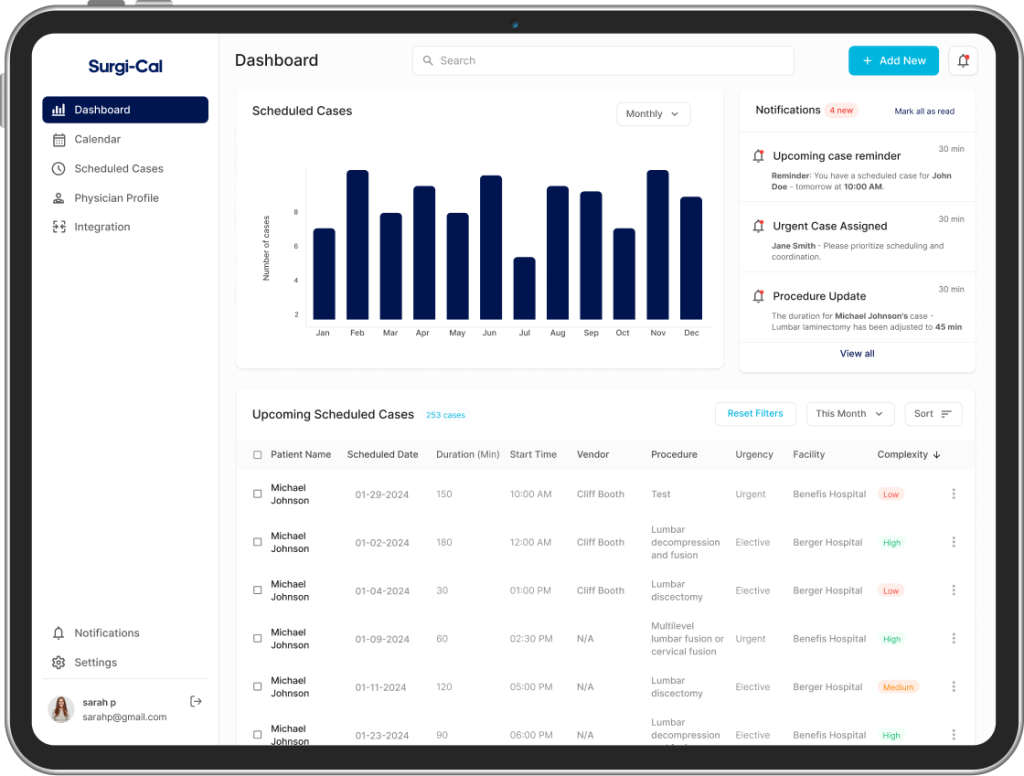
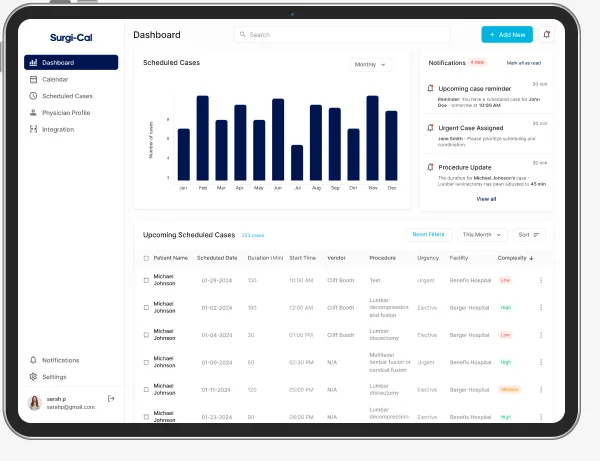
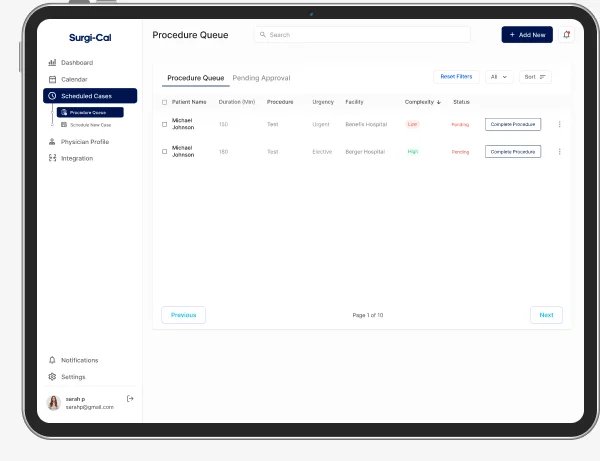
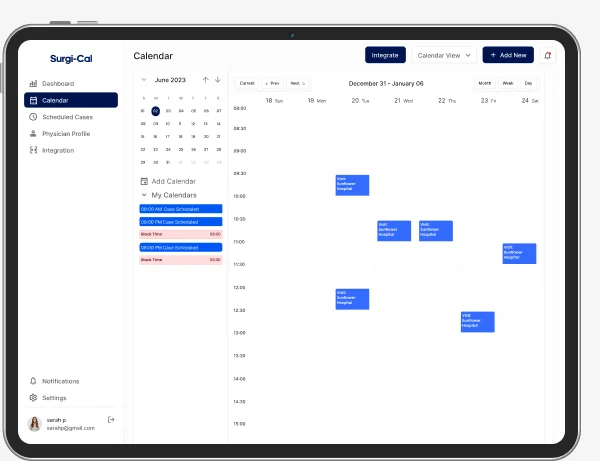
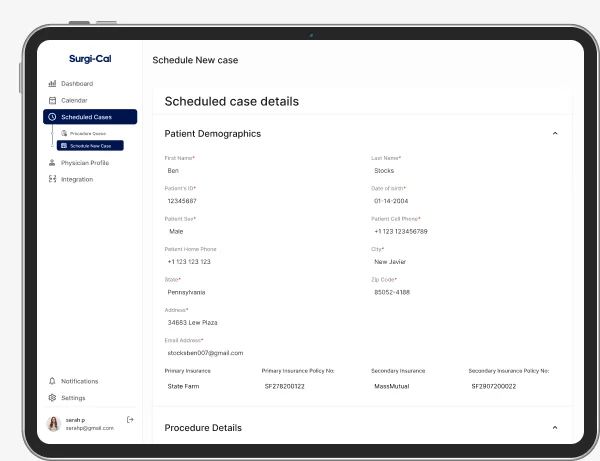
Web App Ui
Results & Impact
Surgicalendar now has a centralized platform that simplifies scheduling and coordination between physicians, facilities, and vendors. Availability across all three groups is visible in one place, physician calendars stay synced with Google and Outlook automatically, vendor requests move through an automated workflow instead of manual coordination, and patient data is retrievable through direct integrations with major EHR systems.
10+
Major Workflows
100%
Role-Based Access
20+
Management & Scheduling Features
Core Features Delivered
✓
Role-Based Platform With Dynamic Registration
Dynamic registration and admin approval flows, with role-specific dashboards for physicians, facilities, and vendors
✓
Physician Availability & Outage Management
Tools for physicians to manage their availability and outages directly
✓
Facility & OR/Room Management
Scheduling and management of facility and operating room availability
✓
Appointment Booking
Centralized appointment scheduling across physicians, facilities, and vendors
✓
Google & Outlook Calendar Integration
Two-way sync between Surgicalendar and physicians’ existing calendars
✓
Vendor & Sub-Vendor Request Workflows
Automated request and coordination workflows for medical vendors and their sub-vendors
✓
Healthcare System Integrations
Patient data integrations with Athenahealth, Cerner, Epic, and ModMed
Physicians, healthcare facilities, and medical vendors each managed their own availability separately, with no shared system to catch conflicts between a physician’s schedule, a facility’s OR availability, and a vendor’s coordination needs. Surgicalendar brings all three into one connected platform.
Physician availability, facility and OR/room availability, and existing bookings are evaluated together, so conflicts get flagged before an appointment is confirmed rather than discovered afterward.
Surgicalendar integrates directly with Athenahealth, Cerner, Epic, and ModMed, so patient data can be pulled without requiring staff to work across multiple separate systems.
The platform uses dynamic registration with admin approval and role-specific dashboards, so each user type sees the tools and information relevant to their role.
Vendor and sub-vendor request workflows are built into the platform, replacing manual, ad hoc coordination between facilities and their equipment or supply vendors.
Yes, Syndell builds role-based scheduling and coordination platforms for healthcare organizations that need physicians, facilities, and vendors working from one connected system rather than separate tools. ________________
Let's Build the Engine That Handles Your Busywork
Send us a sample of the documents your team handles by hand, and we’ll map exactly where automation fits.
This platform lets people tap an NFC card on a smartphone to instantly share contact details, social profiles, and custom links. Adoption of a new technology, cards that stay easy to scan, and the safety of shared contact data all had to be solved in one simple builder.
Web App DevelopmentDrag-and-Drop BuilderCustomizable TemplatesSecure Data Sharing
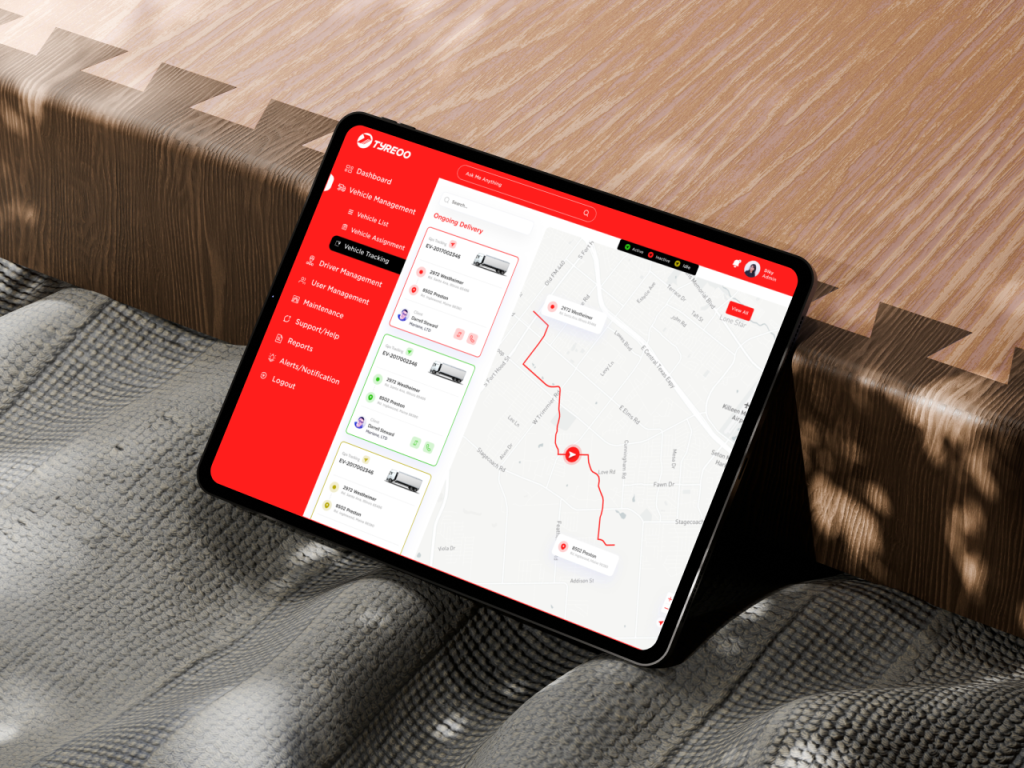
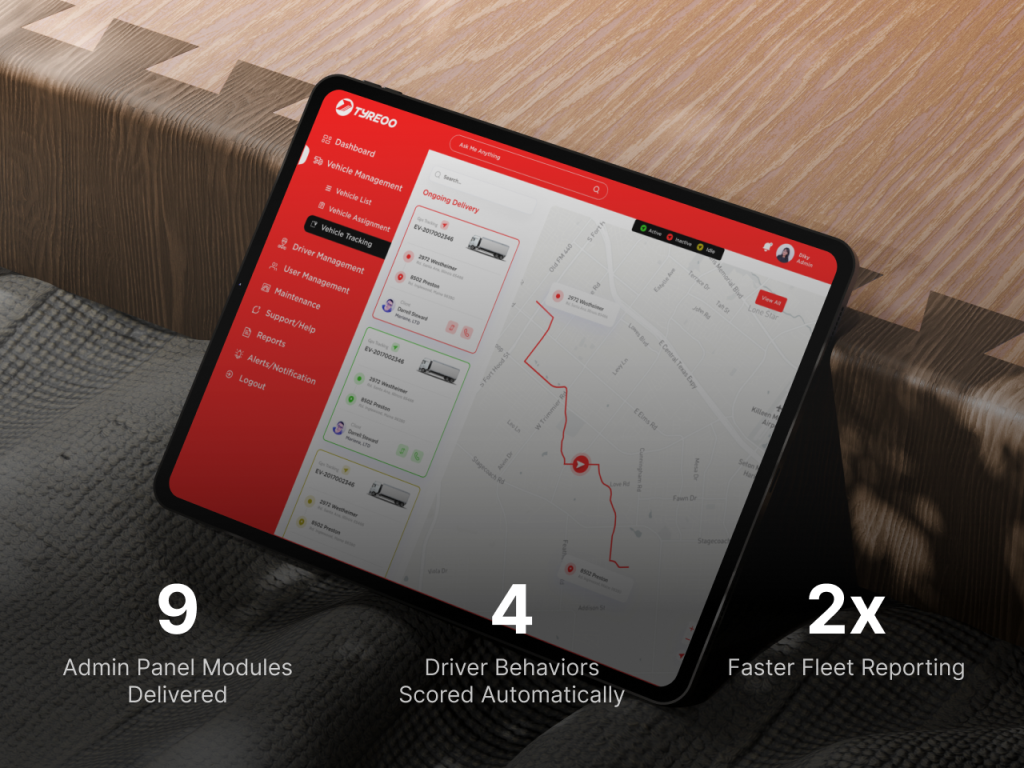
Tyreoo oversees goods transportation and fleet operations for clients ranging from a single vehicle to an entire fleet. Managers needed live visibility, faster responses to maintenance and driver issues, and reports they could act on, all in one platform.
Web App DevelopmentReal-Time TrackingMaintenance ManagementDriver Scoring
This clothing manufacturer does the hard part well – producing men’s apparel out of Ahmedabad, India, at real production scale. The existing system wasn’t carrying its weight: the Laravel and Angular codebase needed optimization, and inventory and sales features needed rebuilding for a more secure, user-centric experience.
Web Application DevelopmentUI/UX DesignInventory Management
Ecommerce / Premium Bedding and ERP Order Management
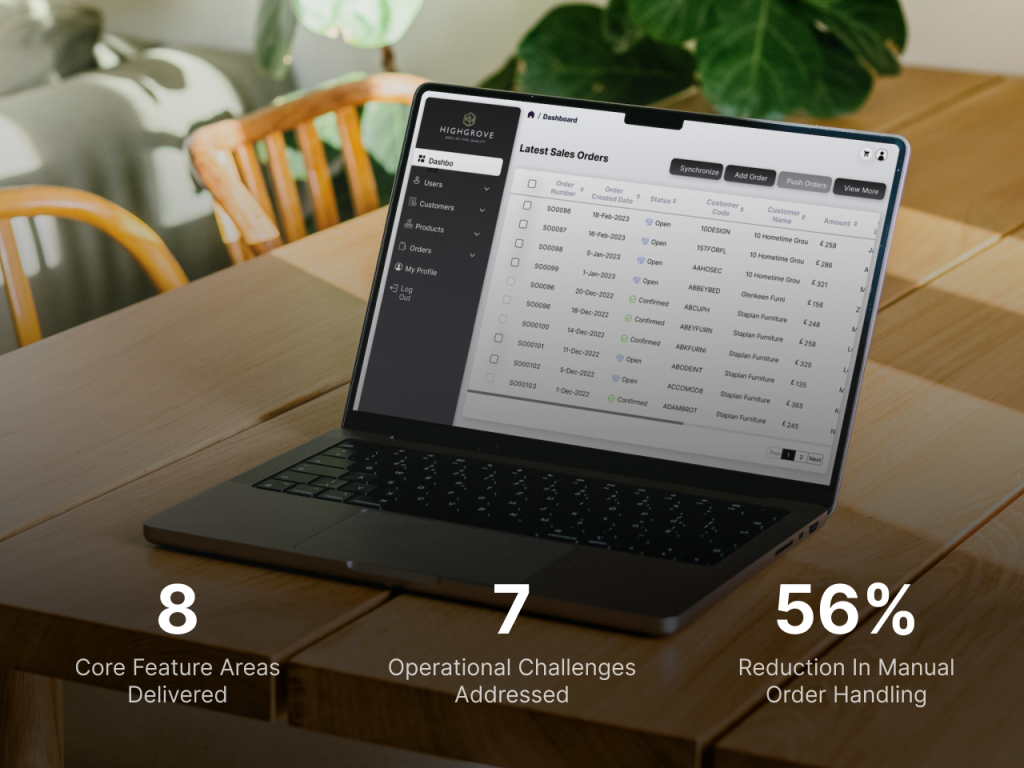
Highgrove is a UK premium bedding brand that ran sales and orders on a desktop ERP. Manual order handling, inconsistent pricing, and weak access control called for a secure web app connected to its existing Sage system.
Web Application DevelopmentSage IntegrationUI/UX DesignOrder Process AutomationDynamic Pricing Mechanisms
Praiki connects verified clients with verified professionals across Africa. Hiring there ran through social media and referrals, so trust, scope, payment, and reputation all depended on chance.
This data platform turns scattered fleet and driver information into something a sales team can actually use. Collecting it by hand wasn’t sustainable: public sources are unstructured and often outdated, so the work needed a single system that scrapes, cleans, and organizes records, then makes them easy to search, filter, and turn into leads.
Dispatcher-Driver CoordinationUI/UX DesignCompliance TrackingWeb Application Development
HWA does the hard part well – connecting clients with verified holistic practitioners across yoga, nutrition therapy, hypnotherapy, and chiropractic care. The old process wasn’t carrying its weight: practitioners and clients coordinated sessions through separate tools and manual communication, with no shared system for bookings, packages, or payments.
Custom Web Application DevelopmentAdmin DashboardDynamic Availability HandlingBooking & Package ManagementCalendar & Video IntegrationsAI Chat Assistant
Clutch Up does the hard part well – bringing the fantasy sports format users already understand into competitive esports tournaments. The platform wasn’t carrying its weight yet: tournament and player data needed to stay accurate in real time, and esports rosters change mid-event in ways traditional fantasy models don’t handle.
Platform Design & DevelopmentTournament Data API IntegrationPlayer Drafting SystemDynamic Availability Handling
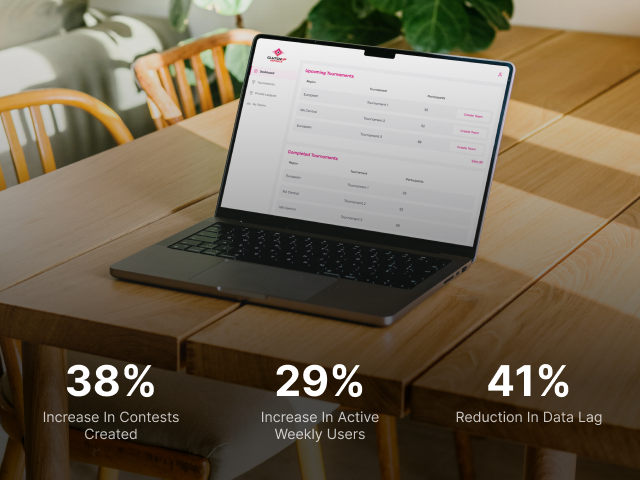
29%Increase in Active Weekly Users During Tournament Windows
41%Reduction in Data Lag
Book Your Notary
Legal / Notary Services
Book Your Notary does the hard part well – connecting customers with a bilingual notary team for documents that need remote notarization. The old process wasn’t carrying its weight: arranging in-person appointments turned a simple requirement into a recurring hassle, without cutting the corners that make notarization valid.
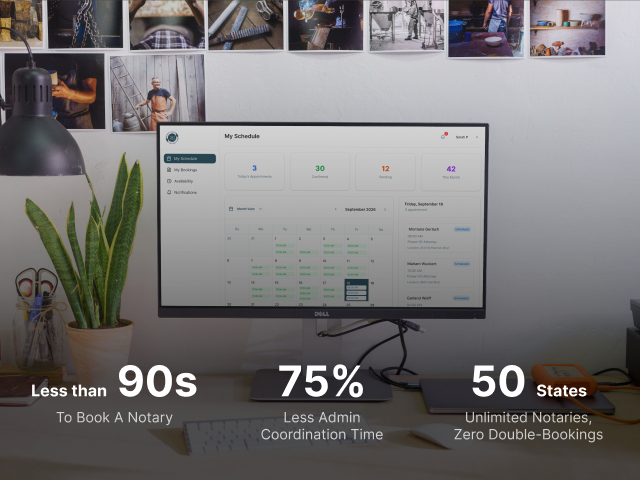
<span style="font-size:16px">Less than</span> 90sTO BOOK A NOTARY
75%LESS ADMIN COORDINATION TIME
50 <span style="font-size:16px">States</span>UNLIMITED NOTARIES, ZERO DOUBLE-BOOKINGS
A Brief Mate
LegalTech / Legal Operations
BriefMate does the hard part well – automatically renaming legal documents and assembling court-ready briefs for Australian law firms. The old process wasn’t carrying its weight: paralegals spent days downloading, converting, ordering, and indexing files by hand, with inconsistent naming that made documents hard to find later.
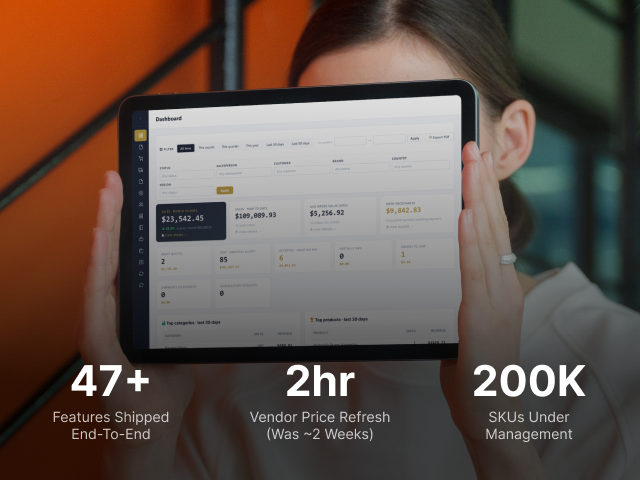
DHE Parts does the hard part well – distributing roughly 200,000 SKUs of heavy-equipment components to fleet operators and dealer networks. The ERP wasn’t carrying its weight: quote-to-order handoff lost information constantly, and vendor price updates were a two-week manual project run by hand across dozens of sheets.