Businesses are rapidly discovering the importance of fleet management software in simplifying operations, boosting productivity, and assuring unparalleled control over their automotive assets as the wheels of innovation continue to revolve.
The demand for custom fleet management system development has increased along with the quick advancement of technology, pushing the limits of what is feasible on the road.
As companies seek to embark on this transformative journey, the need for reliable and proficient fleet management software development services has never been more pronounced.
Enter the realm of dedicated software developers, where the true architects of tomorrow’s fleet management solutions reside. These technologists, equipped with expertise and boundless creativity, design tailored software that perfectly aligns with your organization’s unique needs, functioning like a precision-engineered machine.
However, when venturing into the realm of fleet management software development, one question inevitably emerges: “What would this visionary journey cost?” Fear not, for this question holds the key to unlocking the potential of your fleet management aspirations.
While the exact fleet management software development cost may vary depending on the scale and complexity of your project, a reputable software development company can help navigate these uncertainties and provide transparent insights into the financial aspects of your endeavor.
Therefore, fleet management software development might be the key to achieving your company’s full potential, whether you’re a logistics firm attempting to optimize your delivery routes or a fleet operator aiming to enhance efficiency and cut expenses.
Don’t let the initial investment prevent you from earning long-term advantages. Embrace technology’s capacity to catapult your fleet management operations to new heights!
How to Create Fleet Management Software Like Webfleet?
What is Fleet Management Software Development?
Fleet management software development refers to the process of creating customized software solutions to manage and monitor vehicle fleets efficiently. This program is intended to streamline fleet operations, enhance productivity, and save costs by automating processes that were previously done manually.
Fleet management software development involves the creation of applications and systems that can handle various aspects of fleet operations, such as vehicle tracking, maintenance scheduling, fuel management, driver management, route optimization, and more. These applications are often created by professional software developers who are familiar with the fleet industry’s unique demands and problems.
Fleet Management Software Market : Statistics
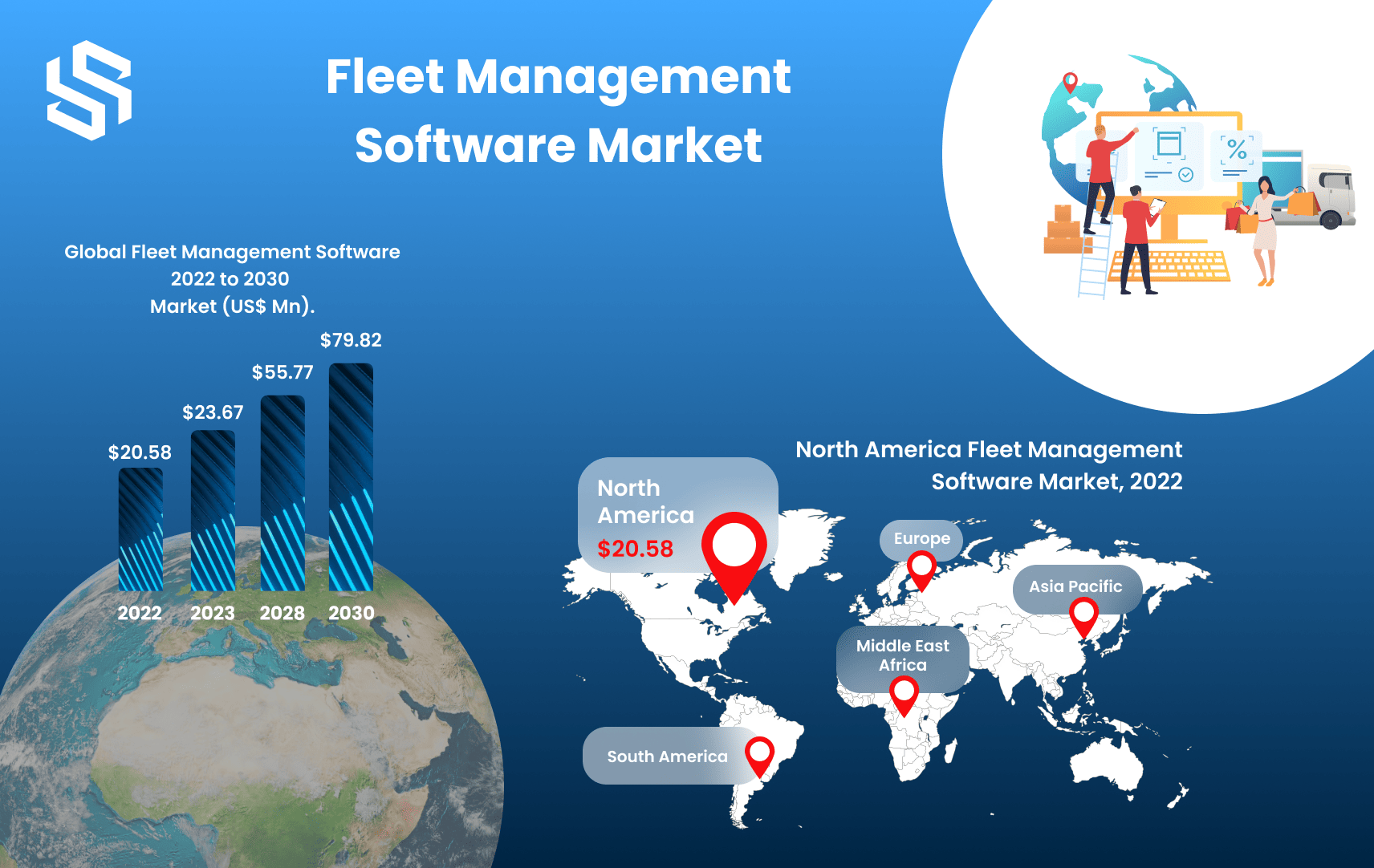
The fleet management software market is rising rapidly and is expected to increase more in the future years. Here are some major industry statistics:
- In 2022, the global fleet management software market was valued at $20.58 billion.
- The fleet management software market is expected to be worth $79.82 billion by the year 2030.
- The market is predicted to reach $55.77 billion by 2028.
- The fleet management software market in North America was valued at $8.09 billion in 2022.
The fleet management software market’s substantial growth can be attributed to various factors such as increasing adoption of technology in fleet management, the need for improved operational efficiency, regulatory requirements, and the rise in demand for intelligent transportation solutions.
Interested in cost-effective fleet management software?
for a tailored pricing proposal.
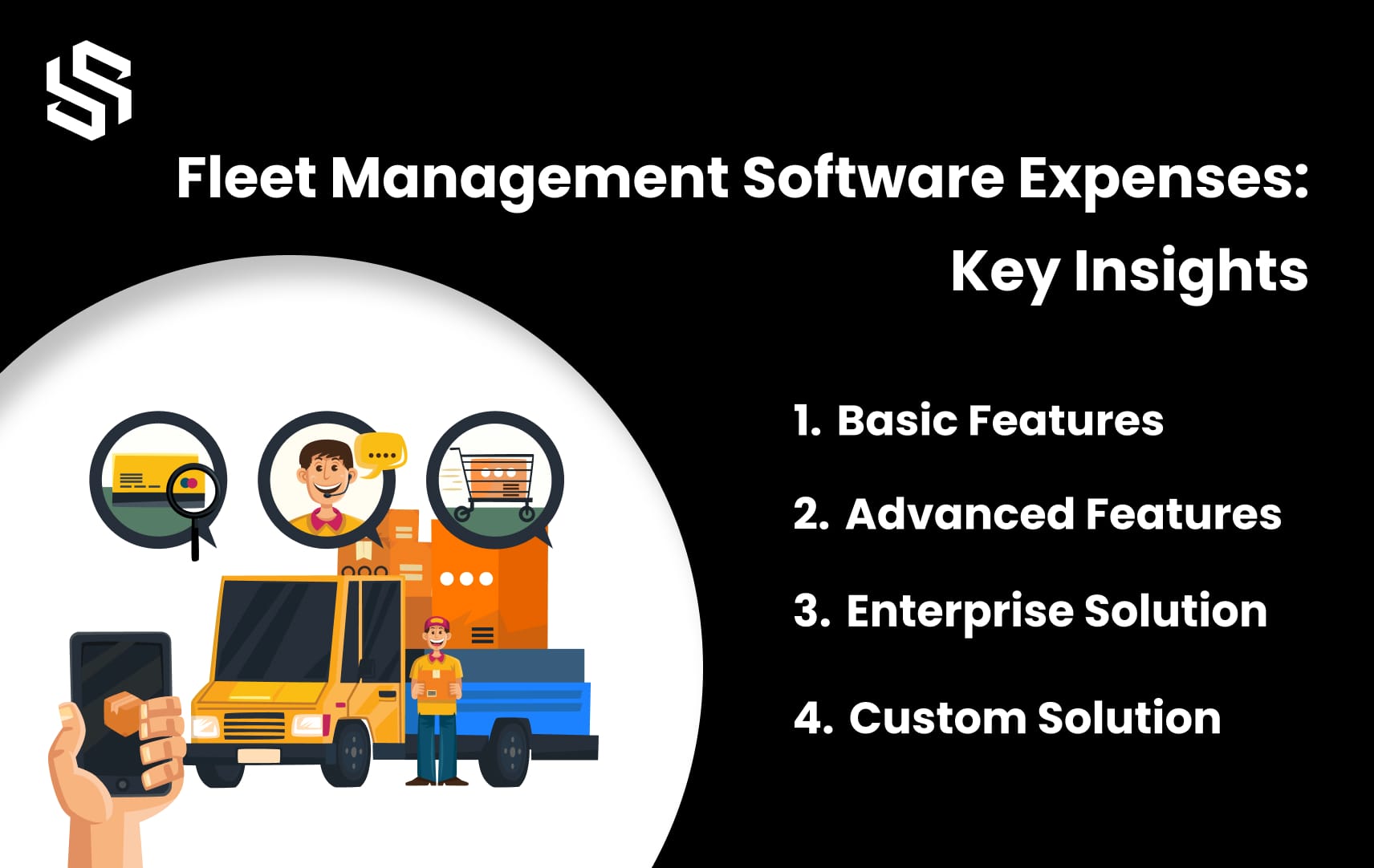
Fleet Management Software Expenses: Key Insights
Businesses that depend on vehicle fleets may optimize and streamline their operations significantly with the help of fleet management software. However, in order to effectively plan a budget and make decisions, it is crucial to comprehend the expenses related to putting such software into use.
Here are some helpful details about the expected prices and turnaround times commonly connected with various types of fleet management software.
1. Basic Features
The cost of developing fleet management software with basic capabilities generally varies from $7,000 to $20,000. This includes features including vehicle monitoring, route planning, and rudimentary reporting. The installation time for such software might range between one and three months.
2. Advanced Features
Software with advanced features like real-time analytics, driver performance monitoring, and integration with other systems falls into this category. The estimated cost for such software ranges from $15,000 to $35,000, and the implementation timeframe may vary from 2 to 6 months.
3. Enterprise Solution
For larger fleets and organizations with complex requirements, an enterprise-level fleet management solution is necessary. This type of software includes extensive customization options, scalability, and robust support. The estimated cost can range from $25,000 to $45,000, and the implementation process may take around 3 to 12 months.
4. Custom Solution
Some companies might have unique and specific needs that cannot be fully met by off-the-shelf solutions. In such cases, a custom fleet management software is developed from scratch, tailored to the organization’s exact requirements. Due to its complexity, the cost for a custom solution typically starts at $45,000, and the timeframe could take 6 months or more, depending on the scope and complexity of the project.
Here’s a table providing valuable insights into the estimated cost and timeframe for Fleet Management Software Development:
| Software Type | Estimated Cost (USD) | Timeframe |
|---|---|---|
| Basic Features | $7,000 – $20,000 | 1 – 3 months |
| Advanced Features | $15,000 – $35,000 | 2 – 6 months |
| Enterprise Solution | $25,000 – $45,000 | 3 – 12 months |
| Custom Solution | $45,000+ | 6+ months |
Factors Affects the Cost of Fleet Management Software Development
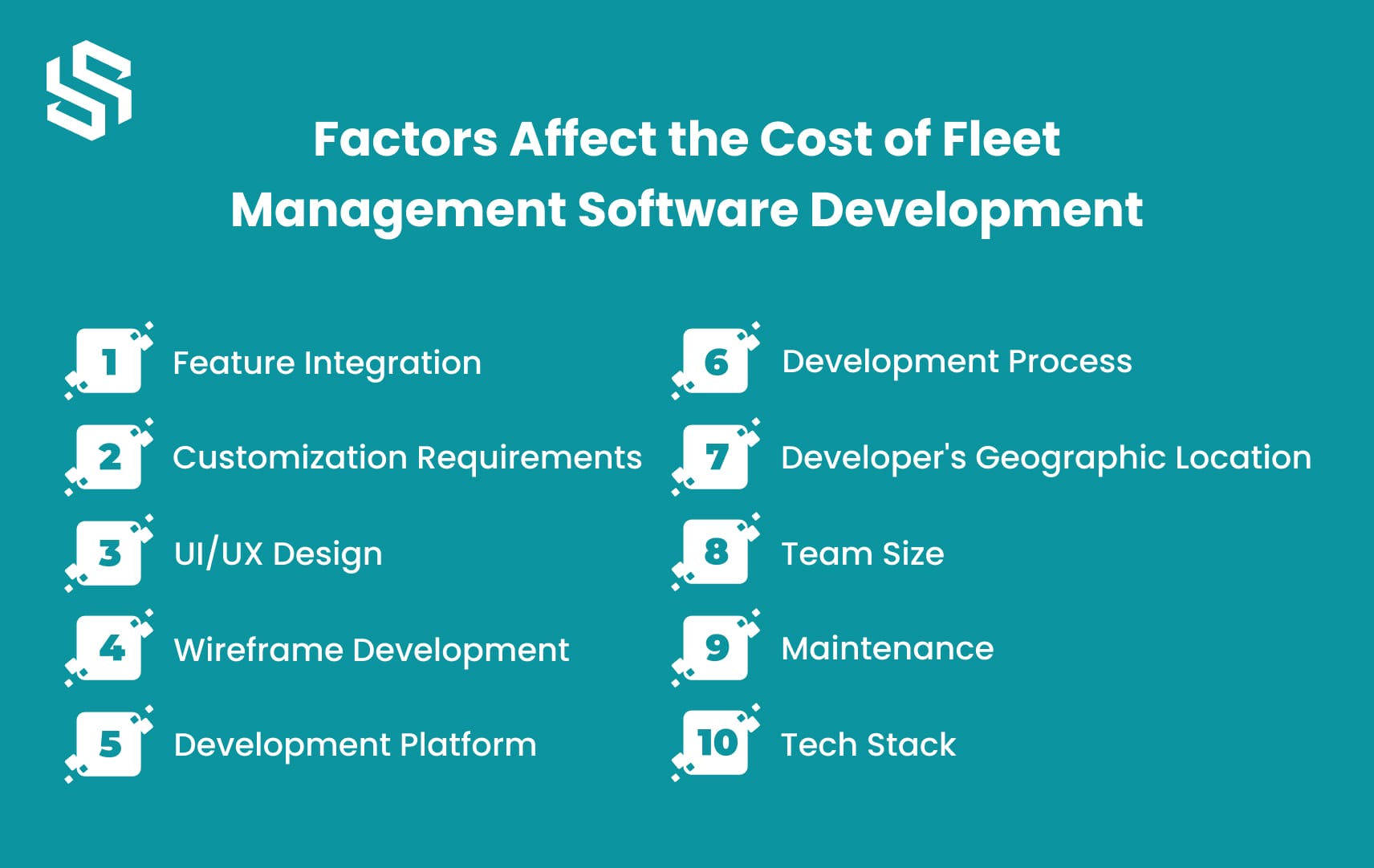
Developing fleet management software involves careful planning, designing, and coding to meet the unique needs of the industry. However, the cost of developing such software can vary significantly based on various factors.
Here are the key factors that affect the cost of fleet management software development. Understanding these factors can help businesses make informed decisions and budget effectively for their software development project.
1. Feature Integration
The number and complexity of features you choose to include in your fleet management system will have a substantial influence on the development cost. Vehicle tracking, driver management, fuel monitoring, maintenance scheduling, and reporting capabilities can all increase the development’s complexity. Depending on the complexity of features, the cost of integrating them might range from $5,000 to $20,000 on average.
2. Customization Requirements
If you require a highly customized fleet management system to meet specific business needs, the development cost will increase. Customizations may include tailored reporting, integration with existing business systems, or unique data analytics requirements.
3. UI/UX Design
An effective fleet management system requires a user-friendly and visually appealing user interface (UI) as well as a smooth user experience (UX). The cost of UI/UX design can range from $5,000 to $15,000, depending on the design’s complexity and the number of revisions required.
4. Wireframe Development
Wireframes act as blueprints for the development process, helping to visualize the system’s layout and functionality. The cost of wireframe development can be around $2,000 to $5,000, depending on the number of screens and the level of detail required.
5. Development Platform
Choosing the right development platform can impact both the development cost and the future scalability of the software. Native development for platforms like iOS and Android can be more expensive compared to cross-platform development. The estimated cost for development on a single platform can range from $20,000 to $50,000, while cross-platform development can cost between $30,000 and $70,000.
6. Development Process
The development process, including the methodology followed, project management, and quality assurance, can influence the overall cost. Agile development methodologies, such as Scrum, can be more cost-effective in terms of flexibility and adaptability.
7. Developer’s Geographic Location
The geographic location of the development team can have a significant impact on the cost. Developers from regions with higher living costs, such as North America and Western Europe, generally charge more compared to developers from Eastern Europe, Asia, or South America. The hourly rates can vary from $50 to $200, depending on the location.
8. Team Size
The size of the development team required for the project directly affects the cost. A larger team may be necessary for complex projects with tight deadlines, but it also increases the overall cost.
9. Maintenance
After the initial development, ongoing maintenance is essential to ensure the smooth functioning of your fleet management system. The cost of maintenance can vary depending on the level of support required and the size of the system. On average, maintenance costs can range from 20% to 30% of the initial development cost per year.
10. Tech Stack
The choice of technology stack, including programming languages, frameworks, and databases, can also impact the development cost. Some technologies may require specialized expertise and can be more expensive to implement.
It’s important to note that the estimated costs provided here are rough estimates and can vary depending on several factors. To get an accurate cost estimate for developing a fleet management system tailored to your specific needs, it is recommended to consult with experienced developers or development agencies.
Need experienced hands on deck?
Hire software developers today for your fleet management software development!
The Impact of Fleet Management Software Features on Total Cost
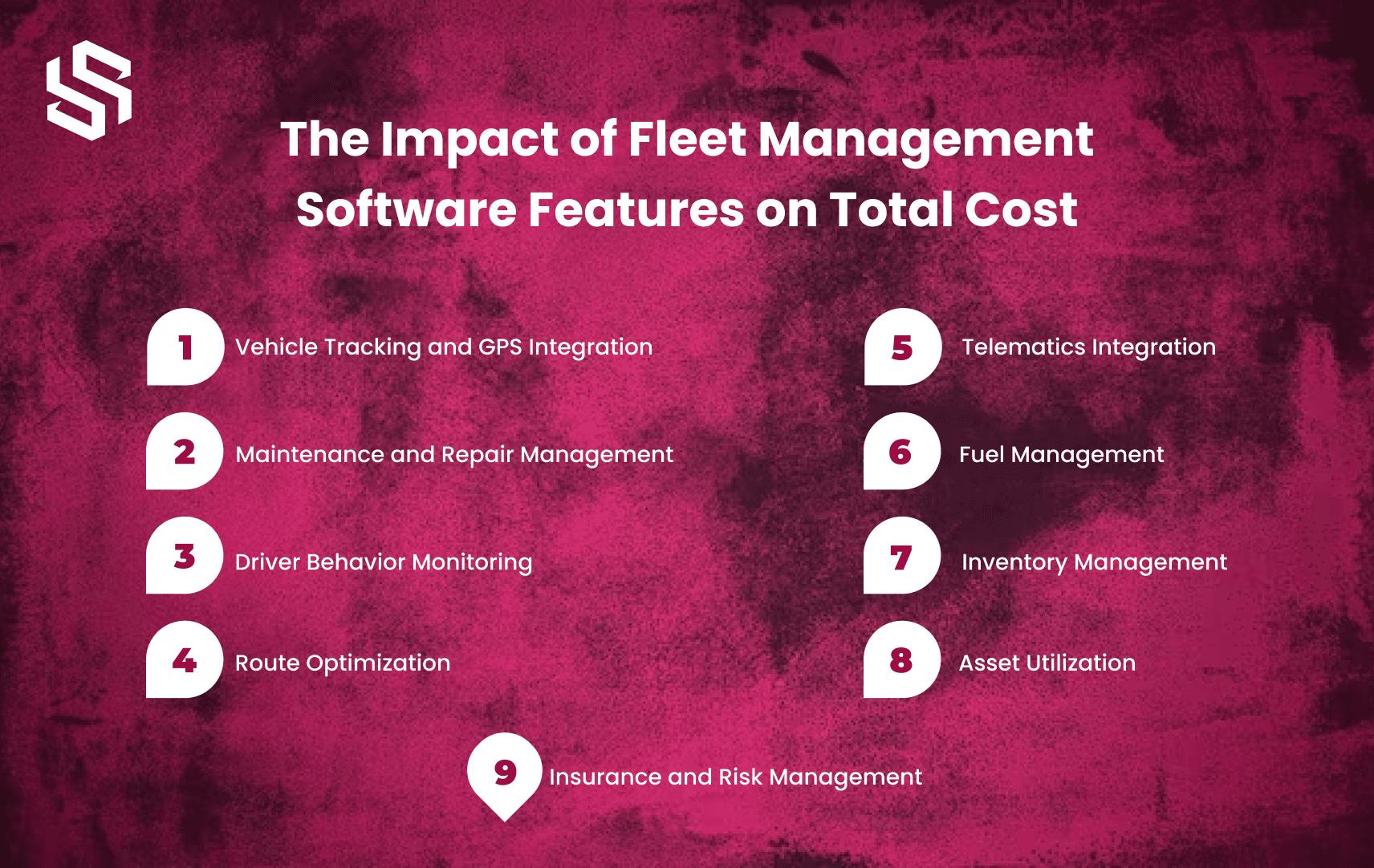
When it comes to managing a fleet of vehicles, efficiency and cost-effectiveness are top priorities for any business. This is where a fleet management software comes into play.
With its array of features and capabilities, this software has the potential to greatly impact the total cost of managing a fleet.
Here are some of the key features of fleet management software and how they can help reduce costs.
1. Vehicle Tracking and GPS Integration
One of the most important features of fleet management software is its ability to track vehicles in real-time and integrate with GPS systems. This allows fleet managers to have a clear view of the location and status of each vehicle, which can help optimize routes and reduce unnecessary fuel consumption. By reducing fuel costs, businesses can significantly impact the total cost of fleet management.
2. Maintenance and Repair Management
Keeping a fleet of vehicles in top condition is crucial for minimizing downtime and repair costs. Fleet management software offers maintenance and repair management features that help businesses stay on top of vehicle maintenance schedules, track repairs, and manage service records. By proactively maintaining vehicles, businesses can reduce the risk of breakdowns, extend the lifespan of their vehicles, and ultimately save on repair costs.
3. Driver Behavior Monitoring
Unsafe driving behaviors such as speeding, harsh braking, and aggressive acceleration not only put drivers at risk but also increase fuel consumption and maintenance costs. Fleet management software allows businesses to monitor driver behavior and generate reports on driving habits. By identifying and addressing unsafe driving practices, businesses can reduce fuel consumption, minimize wear and tear on vehicles, and lower the risk of accidents and associated costs.
4. Route Optimization
Wasted time and inefficient routes can significantly impact the cost of fleet management. Fleet management software offers route optimization features that help businesses plan the most efficient routes, taking into account factors such as traffic, weather conditions, and customer preferences. By optimizing routes, businesses can reduce fuel consumption, increase productivity, and deliver goods and services in a timely manner.
5. Fuel Management
Fuel is one of the largest expenses for any fleet operation. An effective fleet management software provides features to monitor fuel consumption, detect fuel theft, and optimize fuel usage. By analyzing data on fuel efficiency and identifying inefficient driving patterns, fleet managers can implement strategies to reduce fuel consumption, such as driver training programs or route optimization. This not only lowers fuel costs but also has a positive impact on the environment by reducing carbon emissions.
6. Inventory Management
For businesses that rely on their fleet to transport goods, inventory management is a critical aspect. Fleet management software provides tools to track inventory, ensuring accurate load planning and efficient cargo management. By optimizing load capacity and reducing empty miles, businesses can minimize transportation costs and maximize revenue, directly impacting the total cost of fleet operations.
7. Asset Utilization
Effective asset utilization is key to reducing costs in fleet management. Fleet management software allows fleet managers to monitor vehicle utilization, identify underutilized assets, and make informed decisions regarding fleet size and composition. By right-sizing the fleet and maximizing asset utilization, fleet managers can minimize capital investment, reduce maintenance and operating costs, and improve overall efficiency.
8. Telematics Integration
Integrating telematics data with the software provides valuable insights into vehicle performance and driver behavior. This information can lead to better decision-making regarding vehicle purchases, replacements, and maintenance, ultimately impacting the total cost of fleet ownership.
9. Insurance and Risk Management
By promoting safe driving practices and maintaining a well-maintained fleet, insurance premiums can be reduced. The software’s ability to monitor driver behavior contributes to minimizing accident rates, which positively affects insurance costs.
Hidden Costs in Fleet Management Software Development
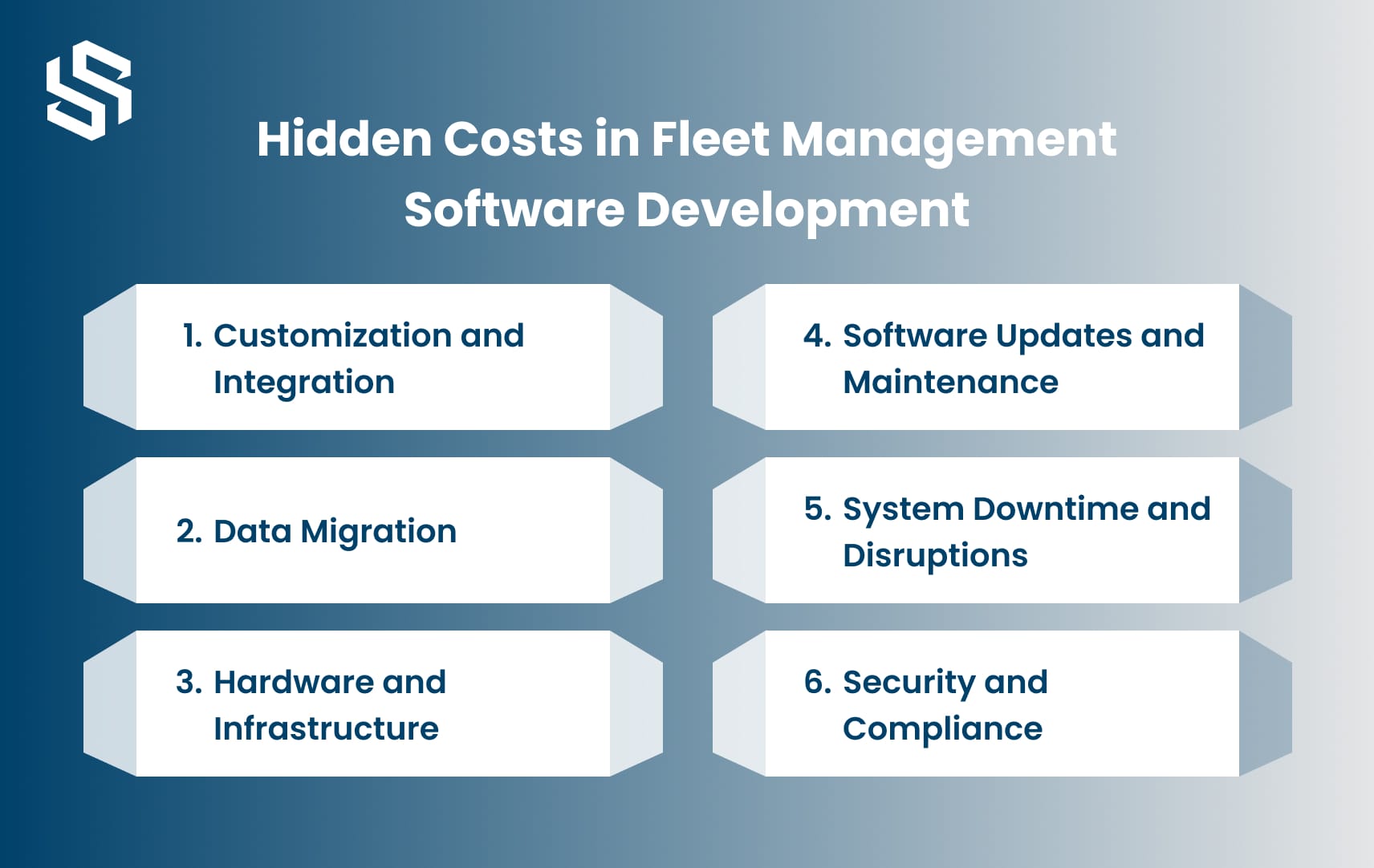
Developing fleet management software can be a beneficial investment for businesses, helping them optimize their operations and reduce costs in the long run.
However, it’s essential to be aware of potential hidden costs that may arise during the software development process and after implementation.
Here are some of the hidden costs associated with fleet management software development:
1. Customization and Integration:
Off-the-shelf fleet management software may not fully meet your specific business requirements. Customization and integration of the software with existing systems can incur additional costs. Tailoring the software to suit your unique needs may involve hiring developers, investing in additional software licenses, or purchasing integration tools.
2. Data Migration:
Data migration from the old system to the new one can be a difficult and time-consuming procedure when switching from manual or outdated systems to new fleet management software. Data cleaning, data mapping, and data validation can be necessary, which could result in unforeseen expenditures for the development project.
3. Hardware and Infrastructure:
Depending on the scope of your fleet management software, you may need to invest in new hardware or upgrade your existing infrastructure to support the software’s requirements. This can involve purchasing servers, network equipment, or mobile devices, which can significantly impact your budget.
4. Software Updates and Maintenance:
As technology advances and business requirements change, software updates and maintenance become inevitable. These updates may involve bug fixes, security patches, and feature enhancements, which can incur ongoing costs.
5. System Downtime and Disruptions:
Introducing a new software system can sometimes cause temporary disruptions or downtime in your operations. This can result in productivity losses, delayed deliveries, or dissatisfied customers. It’s crucial to anticipate and plan for such potential costs, such as backup systems, contingency measures, and communication with stakeholders.
6. Security and Compliance:
Fleet management software typically deals with sensitive data, including driver information, vehicle details, and customer data. Ensuring the security and compliance of the software, including data encryption, access controls, and regulatory compliance, may require additional investment in security measures and audits.
To mitigate these hidden costs, it’s crucial to conduct a comprehensive cost-benefit analysis before initiating fleet management software development. Additionally, working closely with the software development team and being transparent about your business requirements can help identify potential cost drivers early in the process.
Want a clear roadmap for your fleet management software project?
Conclusion
After conducting research on Fleet management software development cost, it is evident that the pricing can vary significantly based on various factors. Fleet management software development refers to the process of creating tailored software solutions to streamline fleet operations, optimize vehicle performance, and enhance overall fleet management efficiency.
The cost of fleet management software development is influenced by several key elements, including the scope and complexity of the project, the features and functionalities required, the technology stack used, the level of customization, the expertise of the software development company, and the location of the development team.
Fleet management software development services can be obtained from reputable software development companies, such as Syndell. When considering hiring dedicated software developers, it is crucial to assess their experience and expertise in developing fleet management solutions.
While it is challenging to provide an exact cost without specific project details, it is generally recommended to request quotes from multiple software development companies to compare their offerings and pricing. This will ensure that you receive competitive rates while also acquiring high-quality solutions.
For more information or to discuss your fleet management software development needs, feel free to contact us at Syndell for personalized assistance.